Watch ‘Painkiller’ to Learn How One Family’s Thirst for Money Led to the Onset of One of the Worst Opioid Crisis in America

Based on actual events, Netflix’s film six-episode series chronicles the Sackler family’s formulation of the lethal opioid Oxycontin and the beginning of a global epidemic.

L to R: Taylor Kitsch, Matthew Boderick, and Uzo Aduba in PainKiller. Photo: Netflix

Directly or indirectly, we’ve all known someone afflicted with addiction. Some can overcome it, while others are ravaged by its effects and perish. Over a million deaths are attributed to opioid abuse to date, according to NPR. In the limited series Painkiller, 300,000 million of these deaths are due to the lethal narcotic OxyContin. Who do we have to thank for this vile, dangerous drug? The Sackler family, known as Purdue Pharma, is the medication’s creator and distributor.

The first episode begins with federal investigator Edie Flowers, played grippingly and powerfully by Uzo Aduba (Orange Is The New Black, In Treatment), on her way to meet with lawyers and investigators going after the Sackler family. Doubtful these new law officials will get anywhere, Edie tells the tale of her decades quest for justice for the Sacklers.

Matthew Broderick as Richard Sackler and Uzo Aduba as Edie Flowers in Painkiller. Photo: Netflix

Arthur Sackler originated the drug Valium, which gained popularity in the 60s and 70s. Contemplating a new way to make money with a new drug as Valium sales were declining in the 1980s, the psychiatrist and drug marketer was at a standstill. Unable to bring a new drug to market with the same fanfare as Valium before his death, his nephew Richard Sackler was ready to swoop in and take the company reins. Richard Sackler, played smarmily, alarmingly indifferent, and delusional to the dangers of this new medication by Matthew Broderick (Ferris Bueller’s Day OffWarGames), is the real-life villain no one asked for. As the president of Perdue Pharma and the driving force behind the creation of OxyContin along with Arthur’s two brothers, Mortimer and Raymond, in 1996. The Sacklers would alter the drug crisis for the worse.

Determined to bring the drug to market at all costs, Richard Sackler seemingly bribes the FDA scientist approving the drug, knowingly aware of OxyContin’s dangerous ingredients (such as heroin). Besides introducing this new narcotic to the public, the Sackler family enlisted a young and charming sales force to coerce doctors to prescribe the drug to rural communities and eventually throughout the U.S. The series intertwines the effects of OxyContin through multiple narratives. The ruthless Sacklers, a relentless U.S. Attorney representative out for justice, a young sales trainee (West Duchovny, A Mouthful of AirVegas High) drawn to the lure of easy money, and a once thriving small-business owner (Tyler Kitsch, Friday Night Lights, American Assassin) battling addiction after recovering from an on-the-job accident and the subsequent damage that befalls him and his family and many others like him.
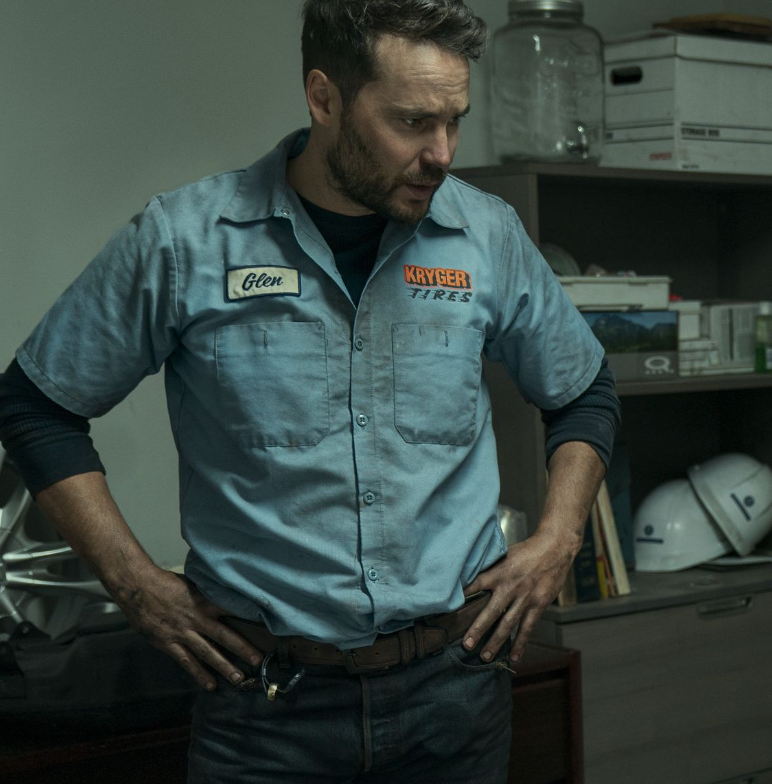
Taylor Kitsch as Glen Kryger in Painkiller. Photo: Netflix

Created by Micah Fitzerman-Blue and Noah Harpster and directed by Peter Berg, Painkiller is based on the book “The Family That Built an Empire of Pain” by Patrick Radeen Keefe. It’s an eye-opening TV series illustrating the devasting effects of this pill marketed to treat pain, resulting in an avalanche of destruction to those prescribed or introduced to the drug and the friends and family who had to witness the catastrophic outcomes. Not to mention, the Sacklers still face limited accountability from the Department of Justice today. Click here to stream Painkillers on Netflix.
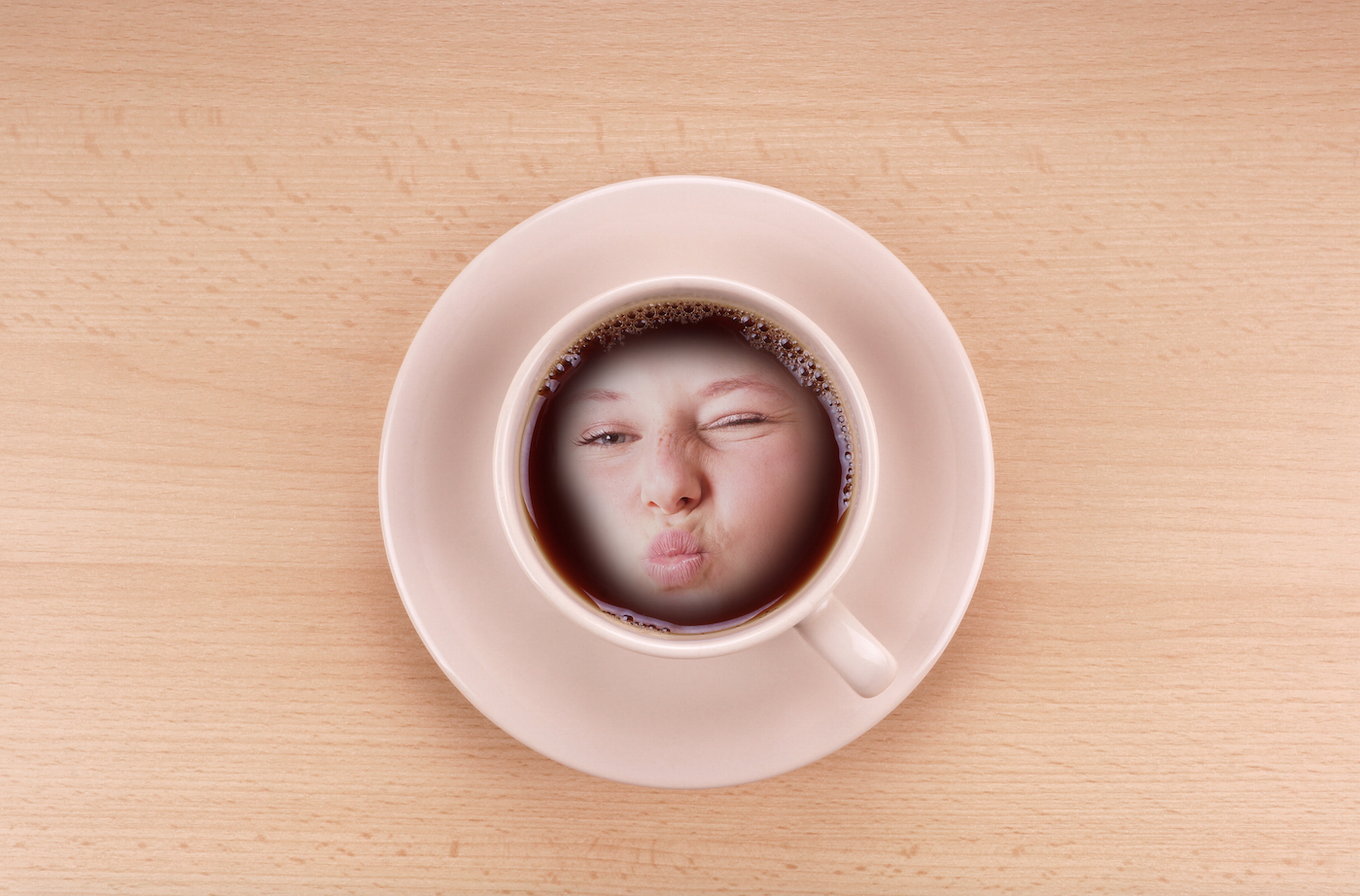
Latte, Red Bull and an Iced Coffee…

This isn’t some new concoction from one of your favorite coffee establishments. This is the amount of liquid caffeine I consumed in one day to relieve me from my tired state last Wednesday. Big exam? Fear of flying? Couldn’t stay awake? None of these reasons fit the bill for my caffeine overload. The funny thing is: I’ve never been a coffee drinker. At my last full-time job, I was in awe of the frequency and voracity in which my coworkers chugged their multiple cups of coffee by 10am, while I stood by and drank my Red Bull.

Screen Shot 2016-08-29 at 1.01.07 PM

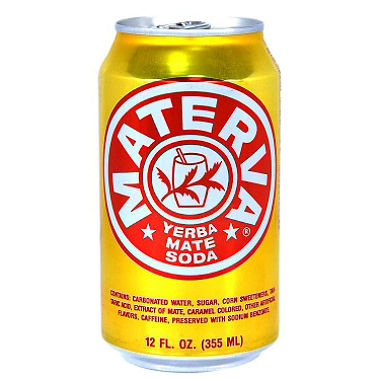
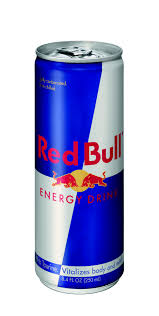
I am becoming one of them! My caffeine threshold has increased dramatically and I hadn’t realized. My new addiction stems from the anxiety of being unemployed. Sure, I’ve had some freelance gigs here and there, but they have run out and I’m getting antsy. Yeah! And it’s evident with my new go-to-pick-me-ups! But, Red Bull you say. Why? I just love the taste. My BF thinks it smells and tastes like gasoline. Whatever! He smokes. You decide which is the lesser of the two evils. For me, Red Bull reminds me of the Cuban soda, Materva. It tastes like sweet little golden goodness in a 12 oz. can I was given – beginning at a young age to accompany the pork, rice and beans I was fed for most of my childhood. When I sip Red Bull, it immediately takes me back to festive birthdays, family gatherings and all-around, carefree good times sans the stresses of adult life. I just can’t have too much of the stuff, even though I want to. At work events, where the Red Bull was flowing aplenty, I once ingested two of these drinks in less than an hour and my heart started beating unusually fast. On another day, I bought its 12oz. older cousin, because I thought I had graduated into the “big-boy” energy drink league and, no, it wasn’t for me – or better yet, my body decided and rejected the extra 3.6 oz.; it wasn’t used to breaking down. I heeded my body’s advice and stuck to the regular 8.4 oz. can. But then I started drinking them every day because I discovered BJs. The price club warehouse that lets you buy large quantities of food and drink in bulk; Red Bull included. 48 little cans of deliciousness were stocked in my apartment. Every morning I’d wake up and reach for a red, silver and blue can. It would get me through – at least half the day – then I’d crash and feel sluggish. But, hey! Aren’t most people productive the first half of their day anyway?

0007718633003_Aimages

I had managed to wean myself off of Red Bull because I stopped buying the cases in bulk. Who needs this energy drink taking up space in their apartment? I thought. I would occasionally buy it 3x a week – ONLY if it was $2.00, though – I refuse to spend the marked up $2.50 price tag found in most New York stores. I feel better about my indulgences, if I can get a discount on them. Although lately the little can has crept back into my life like an unwanted wart that you can’t get rid of. Yet, now the 8.4 oz. isn’t keeping me caffeinated half of the day. What gives? I’ve developed an immunity to the stuff and need to supplement with lattes and iced coffees and end up watching old Charles Bronson movies – which by the way – are incredibly violent, and more so at 4:30am. I will not repeat this experiment and keep my caffeinated beverages to something manageable so sleep won’t abandon me or try to conform to the 2.1 cups of coffee per day Americans consume, as recorded by the latest national average studies. I’m now a coffee drinker.