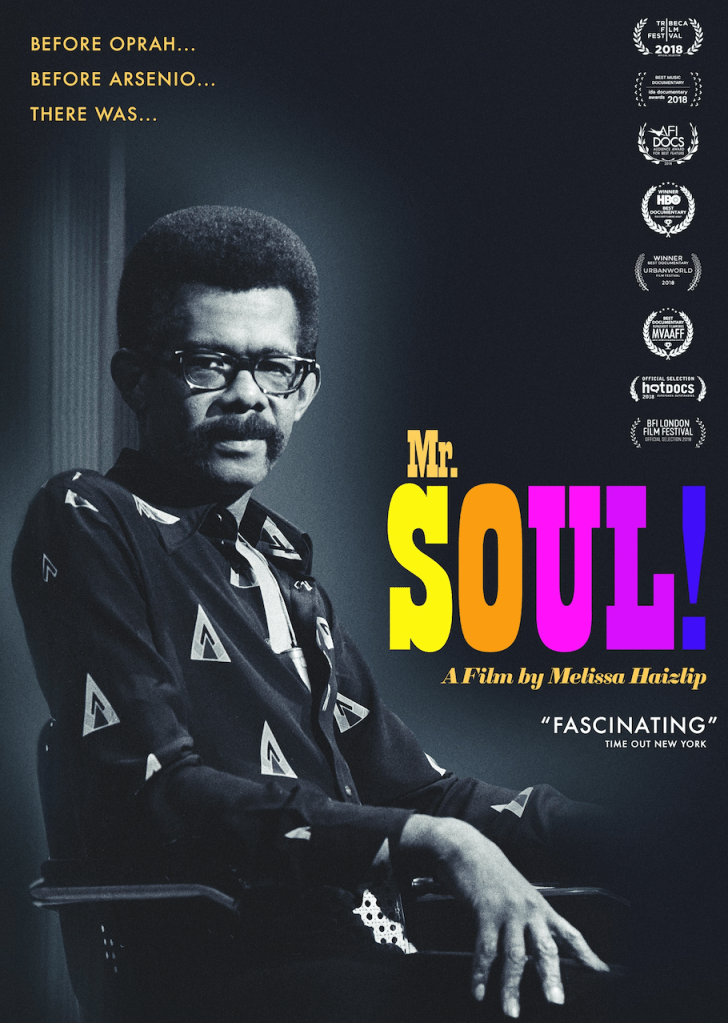
Not long ago, when life had some semblance of normalcy, I had covered the Urbanworld Film Festival in person and was tasked with writing about the festival’s anticipated blockbusters. While waiting for one of these films to begin, I snuck into an adjacent theater to watch the documentary, Mr. Soul! by director and producer, Melissa Haizlip. I was intrigued by the film’s poster; it read: Before Oprah, Before Arsenio…There was: Mr. Soul! As a longtime fan of late-night talk shows, I was irritated and frustrated at myself for not knowing whom this revolutionary pioneer of Black entertainment and culture was. His name: Ellis Haizlip. The producer and host of the PBS variety show: Soul! changed the national scope and existing perceptions of Blacks in a volatile 1960s backdrop – forever! No surprise it won Urbanworld Film Festival’s Best Documentary category and received a standing ovation the Sundance Film Festival. So what was so extraordinary about Ellis Haizlip and this entertainment show he launched in 1968?

Ellis Haizlip was a visionary and determined to shatter contrived media perception of Blacks at the time, as victims subjected to abject poverty or lawless citizens in the United States. Raised in Washington in a middle-class family and setting his sights on New York to form his production company, his aim was to push Black Arts forward, as it was evident to Haizlip that there was a huge void to fill. Blair Underwood, executive produced and narrates Ellis Haizlip’s thoughts in the film so eloquently and powerfully states: “Before we can educate and entertain, we need to share the Black experience.” And that Ellis did. In its inception, Soul! aired only in New York and managed to go national in 1969. The once local program set forth the careers of the most prominent artists in Black history: Earth, Wind & Fire, Stevie Wonder and his Wonderlove band, Al Green, Cicely Tyson, Sidney Poitier, and Toni Morrison to name a few. Haizlip was fearless in giving a visual platform to outspoken Black poets like The Last Poets – including 6 female poets, such as Sonia Sanchez, and pushed boundaries by interviewing Minister Louis Farrakhan and Kathleen Cleaver (wife of exiled Black Panther leader, Eldridge Cleaver).
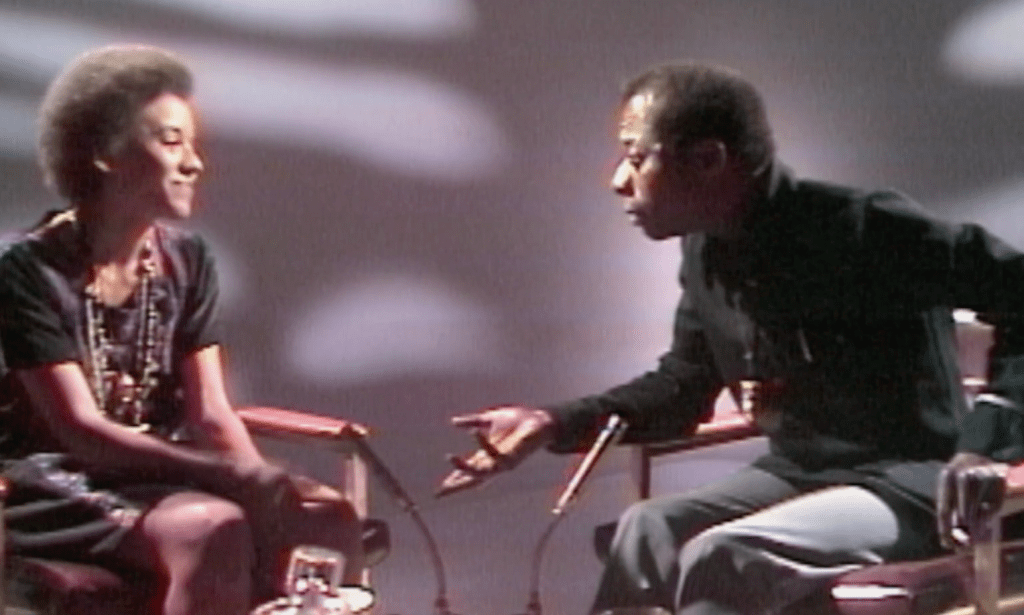
In his quest to unleash artists’ natural talents via the television medium, he often prompted poets and singers to take the stage unfiltered and unencumbered. He employed females on his set and advocated for an interview conducted by renowned poet and activist, Nikki Giovanni and literary legend, James Baldwin in England. The footage of the animated and captivating Baldwin and inquisitive Giovanni is unprecedented – a Black female interviewer engaging in a fiery conservation with one of America’s beloved writers is quite impressionable to see in 1971, shortly after, Soul! aired until 1973, defunded and shut down by nefarious forces, as detailed in the documentary.

So where are we now? It’s 2020 and social justice continues to be a pressing urgent issue in the United States as police brutality continues to plague Black Americans, exacerbated by the tragic loss of our Black icons this year. Mr. Soul’s recent Kickback premiere reminded us of the past, present, and future Black Excellence represents and the need to cultivate and preserve its existence. Host and comedienne, Amanda Seales led the conversation with guests, Melissa Haizlip (Ellis Haizlip’s niece & creative engine behind Mr. Soul!) Actor Blair Underwood, acclaimed director, Stan Lathan (former director of Soul!) Activist and poet Felipe Luciano who guest-hosted the popular “Shades of Soul” episode, featuring Tito Puente and his orchestra, Haizlip exposed television audiences to Latin music and multi-cultural Afro-Latino bands. To say the Soul! television show was groundbreaking doesn’t suffice; it was one of a kind until this day. The legacy Ellis Haizlip left behind cemented the foundation for Black culture never before seen on a national scale – fusing poetry, activism, theatre, dance, and music for the world to experience and solidify the richness of Black arts. Mr. Soul! is available in more than 70 virtual cinemas worldwide through September 10th. To buy tickets and learn more about Mr. Soul! click here.



 Don't Suck My Collagen